From Jamaica to Global Stages: Rvssian Is Connecting Cultures Through Music [Q&A]
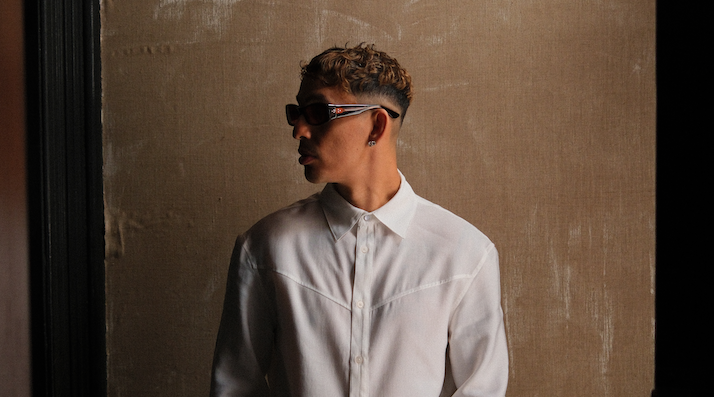
Producers are the architects of the music we listen to every day. They are part of what makes a song a hit, what helps shape an artist’s identity, and so much more. Jamaica, globally celebrated for its reggae and dancehall legacies, has been the foundation of several genres in the music industry today. Rvssian is a pioneering producer who has spent his career breaking cultural barriers, dominating the charts, and bridging Jamaican rhythms with the global Latin music scene.
If you remember Bad Bunny’s explosive “Krippy Kush,” Rvssian is the hitmaker behind it. The same goes for Farruko and Sean Paul’s 2014 hit “Passion Whine,” which seamlessly united Puerto Rican and Jamaican sounds. Whether a track is in English, Spanish, Patois, or even Italian, Rvssian’s sonic footprint may have touched one of your favorite songs.
He has remained a consistent force within Latin and dancehall fusion, as well as the growing connection between Latin music and Afrobeats. He has collaborated with artists ranging from Puerto Rico’s Rauw Alejandro to Panama’s Sech and many other notable Latin artists. His collaboration “Santa” with Rauw Alejandro and Ayra Starr hit many milestones from winning Best International Song of the Year at the Odeón Awards to making it to Billboard's Hot Latin Songs chart.
His latest single, “TATUU,” features Sech and Lojay and serves as a musical love letter that unites cultures from Panama to Nigeria. The track showcases a mix of Latin and Afrobeats rhythms and lyricism while highlighting a more melodic and emotional side of Rvssian’s catalog. It also offers a sneak peek of what is to come on his highly anticipated debut Latin album via Sony Music Latin.
OnesToWatch caught up with Rvssian to look back on his trailblazing career, his global collaborations, and what’s next for him.
OTW: Growing up in Jamaica and your background in music, what first drew you to Latin music? Was there a specific artist, sound, or moment that made you realize you wanted to build bridges between dancehall and reggaetón?
Rvssian:When I was younger, growing up in Jamaica, even though they don't really play Spanish music, I was around some group of individuals that were from Dominican Republic and Panama, and some other countries, and they used to always play Daddy Yankee, Yandel, Zion, Don Omar—the earlier artists in the early 2000s. I always liked the music. It inspired me, and it just felt familiar to me. Also, it felt very close to Jamaican dancehall music, so I always liked it. Then, when I left Jamaica in search of taking my career other places, I came to Miami, and Miami's Latin-dominant. Just reaching out to the artists and linking up. It was just seamless. It was easy from there.
#RecoveryRiddim is one of my favorites right now, especially Valiant's “Passport Princess.” What's your process when you're building a riddim and deciding which artists get on it, like Spice or MOLIY in this case?
Well, for me, my thing is I always like to create a rhythm that is kind of universal, where multiple artists can go on it. It's not really boxed into just one style, so I like to create them a little bit simpler, maybe more universal. It's just easy for it to attract artists from different genres or different eras.
"TATTUU" with Sech and Lojay brings together Latin music and Afrobeats really naturally. When you're creating a record like that, what makes you think, "Sech is the right person for this," or "Lojay is the missing piece?"
With Sech, you know, most of my songs are more sexy or club. This was a more emotional song, and I figured that Sech is good at that. He's good at writing these types of topics, this feeling, and he understands everything. He's from the culture. He understands dancehall, Afro, Jamaican, so I added him, and I think everything blended well together.
You've worked with Vybz Kartel, Shenseea, MOLIY, and so many artists from different corners of the world. As a producer, what qualities do you look for in collaborators, regardless of genre or country?
First, I gotta be a fan of what I hear because there's many times that there'll be an artist that's super on fire at the moment, and then I'll have people or friends say, 'Oh, you should work with them, because they're hot right now,' and I just be like, 'For me, it's not really a right now thing. It's just more of one connected with my vision and my sound, and what aligns with what I like.' So first it got to be what I like, and then we go from there.
"Passion Whine" has become such a fan favorite over the years. Have you and Farruko or Sean Paul ever talked about maybe a part 2 of that song?
Yeah, I think that's possible for sure.
You have also worked on Italian rap with your "Italiano" EP alongside Sfera Ebbasta. What inspired that collaboration, and are there other international scenes you're excited to explore next?
Actually, I started working with Sfera Ebbasta maybe around 2017. Our first song together was 'Pablo.' After that, we did 'Happy Birthday,' and then we had so much success, we ended up doing a joint EP together called 'Italiano.' The project, for me, it's just like hearing their culture and kind of understanding. First, you have to understand their culture to be able to create in there, and to respect it, to see what they like, how they move, how they feel, and just bring my song to it. We've had many number ones together. Almost all of the songs we've done together went number one.
Is there another region of artists you would want to collaborate with that you haven’t done yet?
I've done French, Albanian, Italian, and Japanese. Probably Chinese—the China market—and Korean.
After years of producing some of the biggest records in dancehall and Latin music, you're finally releasing your debut album as an artist. What can fans expect? Is it rooted more in dancehall, Latin music, or does it reflect all the worlds you've been building throughout your career?
This is predominantly Latin, but it's with the fusion, just like other songs with a fusion of different genres: dancehall, reggae, Latin, Afro-inspired.
You've helped shape the sound of dancehall, reggaetón, Afrobeats, and global music over the last decade. Where do you see those worlds heading next, and what's still left on your bucket list as a producer and artist?
I do think all these genres are moving forward in a positive way. I think this is the moment for us in Afro-Latin, dancehall, or global music to be more on the forefront and become commercial, especially in the American space. I think before it was the Hip Hop and Pop genres that were dominant, but I think maybe people have just had too much of that, and now they're exploring more music and they're traveling more. So they're more receptive to new things. I think we just have to capitalize and gain as much following and fans from this moment. Just working with more artists, expanding my audience, and just growing Rvssian as a brand. I think people across the world know my name and my music, but I just want to get them more familiar with my face, identity, and everything.
![Kunmie Makes Afrobeats That Touch Your Soul [Q&A]](https://s3-us-west-2.amazonaws.com/onestowatch-v2/kunmie22004-1786644141.jpeg)